
Synthetic turf is only as good as what sits between the blades. Infill carries the load. It holds fibers upright, absorbs impact, controls ball roll and bounce, and, more than any other component, shapes how a field feels and how hot it gets.
For decades, the default answer was styrene-butadiene rubber (SBR) crumb, typically produced from recycled end-of-life tires. It was affordable, readily available, and performed well enough that alternatives received limited attention for many years. Today, however, increasing environmental scrutiny, regulatory change, and demand for cooler, more natural playing surfaces are driving the search for alternatives. Among the materials gaining the most attention is cork.
The Rubber Problem
Rubber infill remains widely used, but several long-term challenges are changing how owners, designers, and municipalities evaluate new synthetic turf projects.
Regulation. The EU has restricted intentionally added microplastics, including polymeric infill used on synthetic sports surfaces, with a multi-year transition period before sales are phased out entirely. Field owners planning a long surface lifecycle are already specifying around it.
Heat. Dark rubber granules absorb and re-radiate solar energy, leading to surface temperatures on rubber-infilled fields that can run noticeably higher than ambient air temperature, which can shorten safe play windows in hot weather.
Scrutiny. Public and institutional scrutiny of recycled tire material in schoolyards and community fields has increased in recent years.
What Cork Infill Actually Is
Cork infill is an all-natural, loose-fill performance layer made from granulated cork oak (Quercus suber) bark. Screened and cleaned to a controlled particle size, its unique cellular structure is what makes cork different. Each cubic centimeter contains millions of sealed, air-filled cells that act as tiny elastic cushions. Those microscopic cells allow cork to compress and rebound, resist water, and provide thermal insulation, all without chemical additives or engineered polymers.
Cork infill is supplied in three common configurations:
100% cork — maximum temperature and weight benefits, typically over a shock pad
Cork + coconut fiber — the fiber adds structure and moisture retention for landscape and equestrian use
Cork + sand — sand provides ballast and fiber support; cork provides resilience and cooling
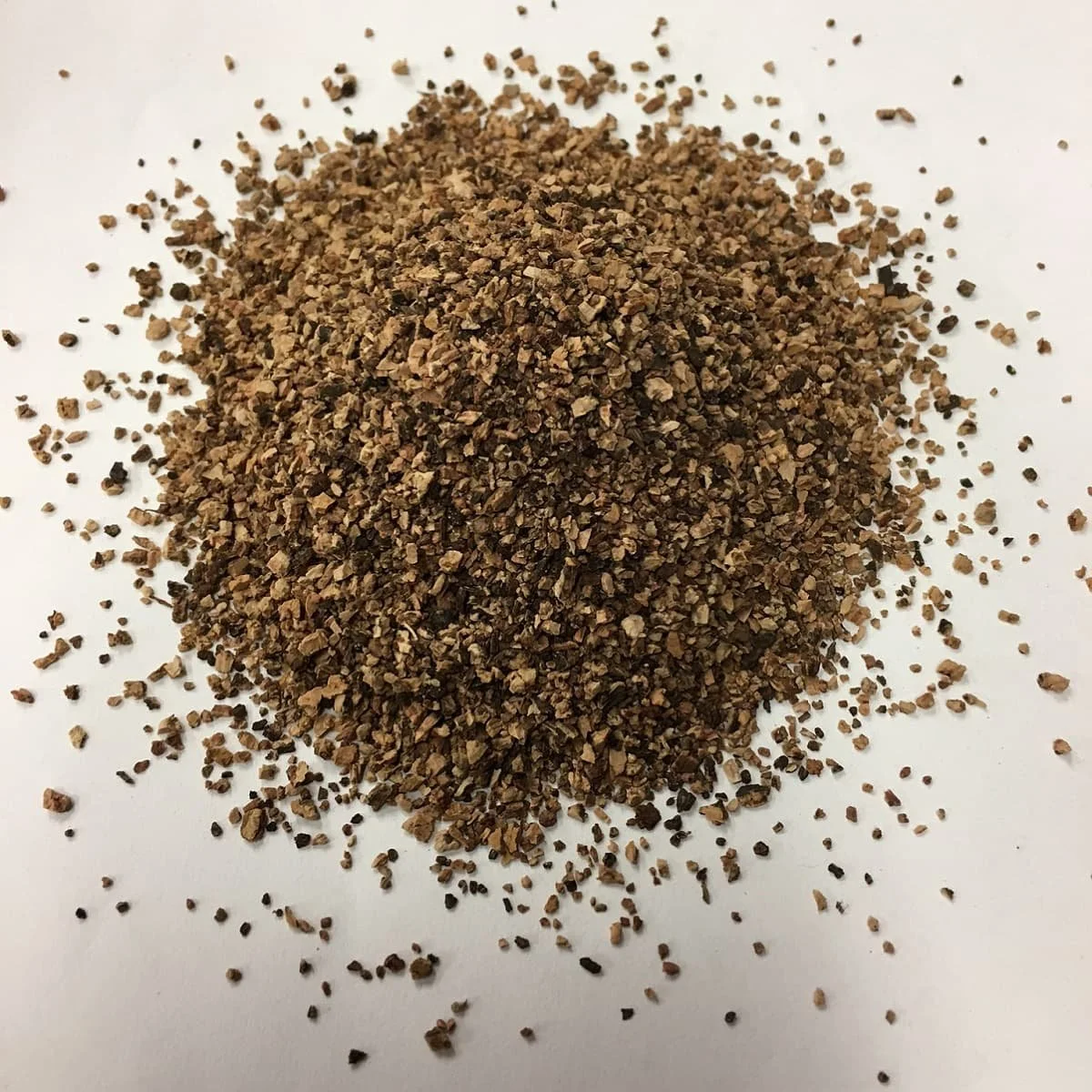
Granulated cork infill - different grain sizes available.
Performance Benefits of Cork Infill
Dramatically Cooler Surfaces: Cork's insulating cell structure and light color mean it stores far less solar heat than dark rubber granules, which helps keep playing surfaces noticeably cooler during warm weather.
Natural Shock Absorption: Cork is naturally elastic under repeated compression, allowing it to recover its shape and maintain consistent cushioning over time. As part of a properly designed synthetic turf system, cork infill contributes to impact attenuation performance and overall surface comfort.
Clean by Nature: Cork infill is made from granulated cork bark, with no tire-derived materials or synthetic polymers. Cork is naturally stable, water-resistant, and resistant to mold, mildew, and insects thanks to suberin—the waxy substance found in cork cell walls.
Lightweight Installation: Cork has a significantly lower bulk density than sand or rubber, reducing the amount of material that must be transported, handled, and installed. Its lighter weight is especially advantageous for rooftop installations, decks, terraces, and other projects where structural loads are an important consideration.
End-of-Life Ready: When the surface is eventually retired, cork infill is biodegradable and compostable. As a natural material, it can be composted under appropriate conditions and does not create the long-term disposal challenges associated with synthetic or tire-derived infills.
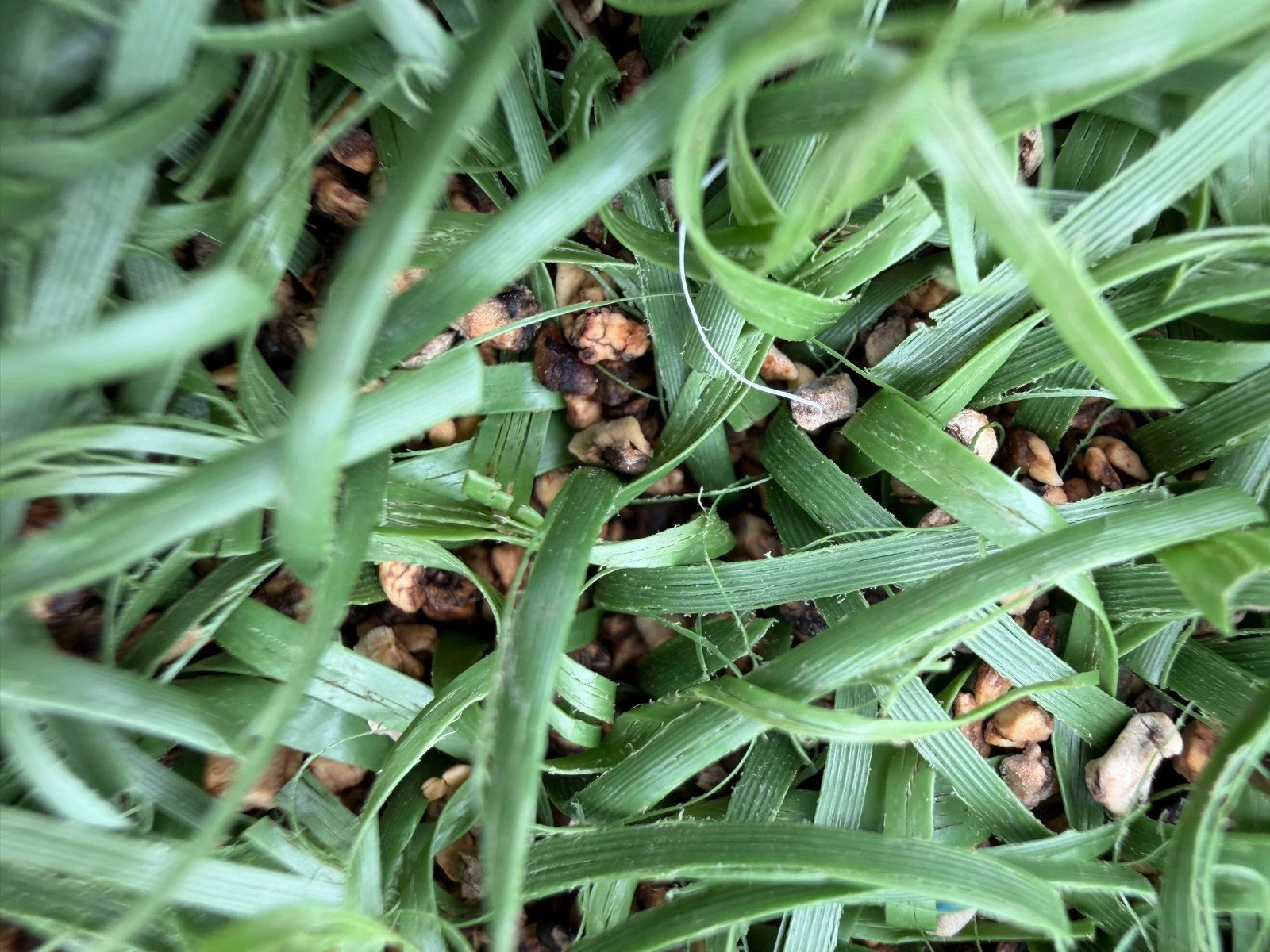
A closer look at granulated cork infill.
Applications
Sector
Typical Use
Football / soccer
Full-size and training pitches, often cork-over-shock-pad systems
Rugby
High-impact fields where shock absorption and player welfare influence specifications
Padel & tennis
Cork or cork-sand blends for controlled ball behavior
Playgrounds
Critical-fall-height systems where clean, non-toxic material is non-negotiable
Landscape & residential lawns
Cooler barefoot surfaces, rooftop and terrace installations
Pet areas & dog runs
Naturally antimicrobial, odor-resistant, with a natural material profile
Golf
Practice tees, putting surfaces, driving range mats
Batting cages & training
Impact zones needing resilience without heat build-up
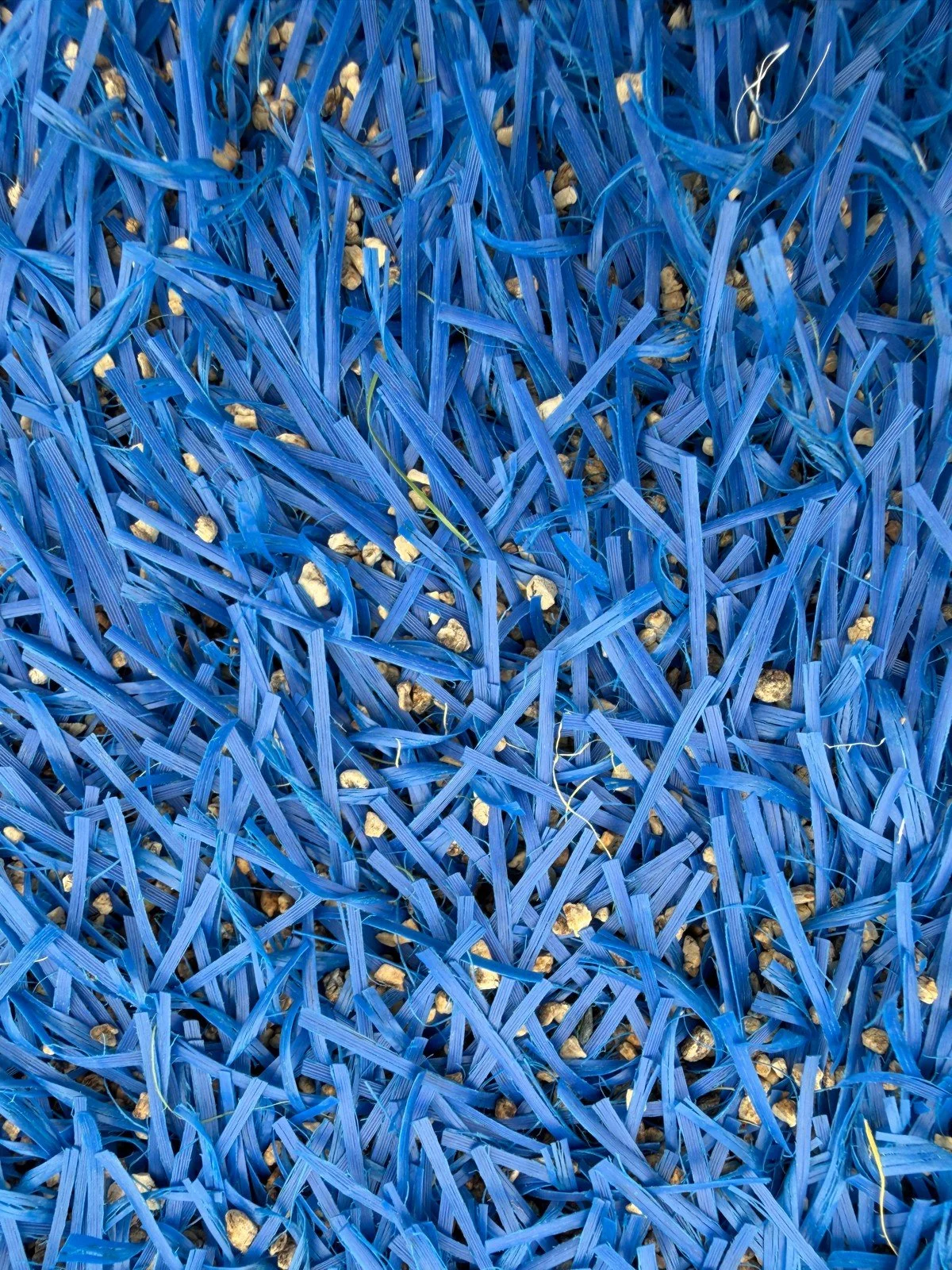
Cork infill is the natural performance layer that helps synthetic turf stay cooler, absorb impact, and deliver a more comfortable playing surface.
Typical Cork Infill Specifications
Indicative properties for granulated cork infill. Confirm exact values against the current product data sheet for the specified grade before including them in project specifications.
| Property | Typical Range |
|---|---|
| Material | Granulated cork (Quercus suber) |
| Particle size | 1.0 – 3.0 mm (other gradations available) |
| Bulk density | ~65 – 90 kg/m³ |
| Moisture content | < 8% |
| Application rate | ~1 – 3 kg/m² depending on pile height and system design |
| Thermal conductivity | ~0.040 W/m·K |
| Water absorption | Low — suberin-sealed cell walls resist saturation |
| Chemical profile | Natural cork material; free from tire-derived content |
| Biological resistance | Naturally resistant to mold, mildew, rot, and insects |
| End-of-life | Biodegradable, compostable, recyclable |
Relevant Standards and Test Methods
Synthetic turf systems incorporating cork infill may be designed and tested to applicable industry standards, including:
EN 15330-1 (synthetic turf surfaces), ASTM F1936 / F355 (impact attenuation, Gmax), EN 1177 (critical fall height), FIFA Quality Programme for Football Turf, World Rugby Regulation 22.
Migration and Flotation
Cork is buoyant. On fields with poor drainage or inadequate perimeter containment, heavy rain can move cork toward low points or off the surface entirely. This is one of the most common questions about cork infill.
It is a system design consideration that can be managed through proper specification and installation, including:
Specifying a cork-sand blend, where sand ballasts the profile
Correct perimeter edging and drain grating designed to retain granulate
Adequate sub-base drainage so water moves down rather than sideways
Appropriate application rates for the pile height in use
Fields installed with these details in place perform reliably in wet climates. Fields installed without them will have problems regardless of what the infill is made from.
Real-World Use Cases
Municipal sports fields, new turf and those facing regulatory deadlines. Public authorities across Europe and increasingly in North America are specifying non-polymeric infill now to avoid replacing a rubber-filled field mid-life. Cork is one of the most established commercially available natural infill options.
Schools and community playgrounds. Where parent and board scrutiny of recycled tire material is highest, cork simplifies the discussion. The material is natural bark, and it is easy to explain.
Rooftop and terrace turf. Structural load limits make cork's low bulk density decisive. On a rooftop amenity deck, the weight difference between cork and sand infill can determine whether the installation is viable at all.
Residential lawns in warm climates. For homeowners who find synthetic turf uncomfortably hot during summer, cork infill can help reduce heat build-up while providing a softer feel underfoot.
Pet facilities and dog runs. Kennels and daycares value cork's natural properties, odor resistance, and suitability for pet-focused spaces.
Sustainability: Harvested, Not Cut
Cork's environmental advantage is simple:
No tree is felled. Cork is the outer bark of the cork oak, harvested by hand every nine years. The tree regenerates the bark and is harvested again — across a productive life that can exceed 200 years.
Cork oak trees continue to absorb carbon after harvesting. Managed cork oak forests act as important carbon sinks, and regular harvesting supports the continued health and productivity of these ecosystems.
Cork oak forests support important biodiversity. The cork oak landscapes of Portugal and Spain support some of the Mediterranean's rarest species, including the Iberian lynx and the Iberian imperial eagle. Cork production helps maintain the economic value of these landscapes and supports their continued preservation.
Nothing is wasted. Granulate for infill is produced from cork that doesn't meet stopper-grade requirements — a by-product stream given a second, high-volume use.
It returns to soil. At end-of-life, cork infill biodegrades. No microplastic legacy, no landfill classification problem.
Specify Cork. Talk to People Who Know It.
Whether you're specifying infill for a municipal pitch, a rooftop amenity deck, or a backyard lawn, we can help you select the right material and system for the project.
Order Online — United States
Cork granulate, infill, and cork products shipped across the US. → corkstore.com
Order Online — Canada
The same range, shipped from within Canada. → corkstore.ca
Bulk, Commercial & Custom Specifications
Volume pricing, custom gradations, technical data sheets, and project support. → Contact Jelinek Cork Group