
Cork's influence in sports isn't limited to the pop and performance of the baseball; cork also played a pivotal role in the development of protective sports equipment, particularly in racing. For decades in the early to mid-20th century, cork was widely used as an impact-protective material in cork helmets. As helmet technology evolved, cork helmets were largely phased out in favor of synthetic, often oil-based alternatives such as expanded polystyrene (EPS). Today, decades after cork's widespread use in racing protective equipment, cork has made a return to the R&D stage, with safety experts looking to combine the natural compressive durability of cork with the flexibility of modern materials.
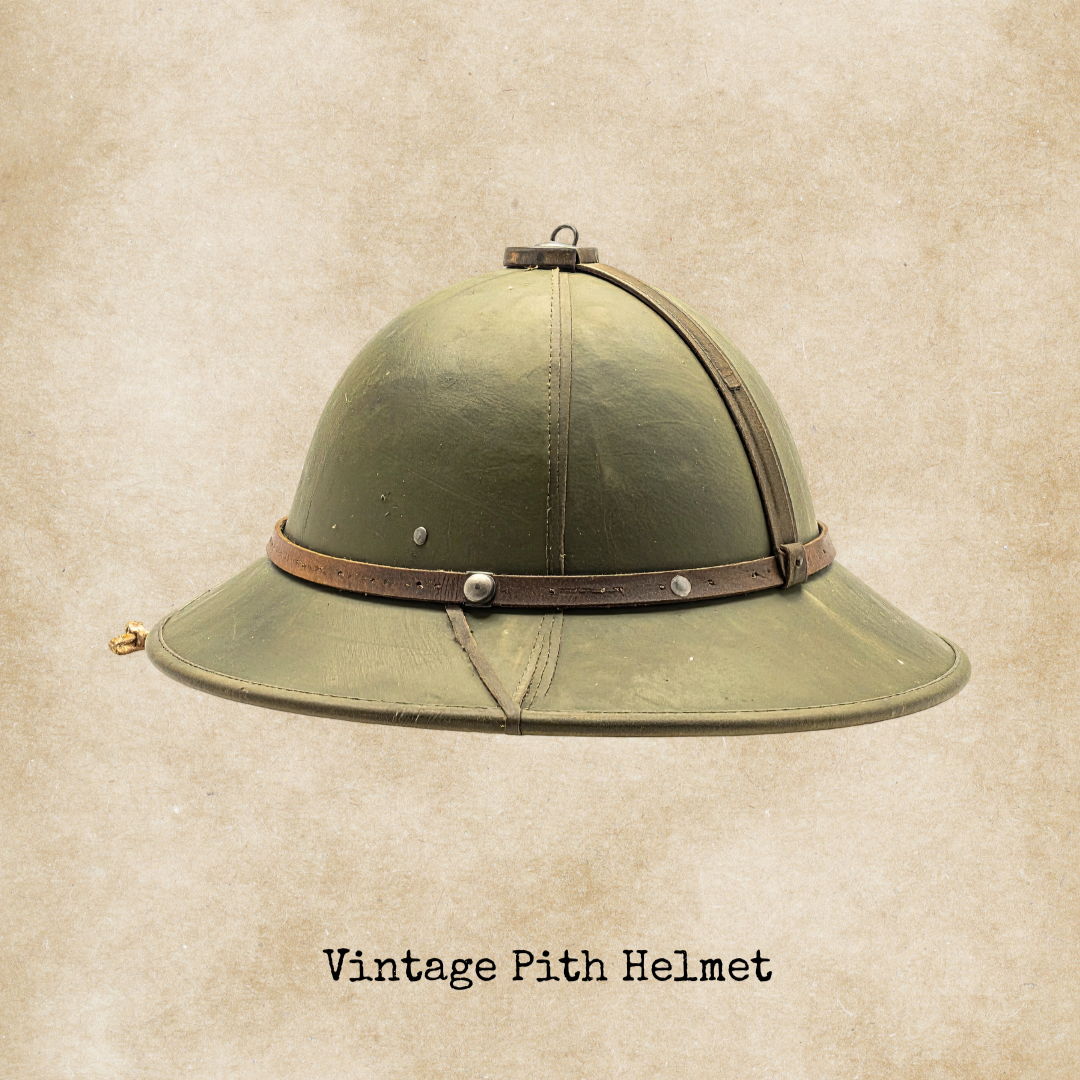
The first use of cork in protective head wear was surprisingly not in sports, but by the British Army in World War I. Charles Owen, J. Ellwood & Sons, and Hawkes & Co all brought pith hats with a cork shell to market in the early 20th century. These hats were ideal for the tropics and became standard issue for the British, French, and German Armies in tropical theaters during much of the First World War. During and following the Great War, Charles Owen pivoted to specializing in protective headgear “for a safer world”. Early focuses were on motorcycle helmets, with the first design debuting in 1928. This cork-based helmet was covered in a hard exterior, such as plastic, providing a futuristic look that offered the first head protection for the new and growing motorcycle industry. The cork helmet spread after World War II as both the speed and prevalence of highway travel increased across the globe. New brands such as Everoak came onto the scene with their incredibly popular Corker helmet.
When Formula 1 debuted in the early 1950s, drivers were not required to wear helmets. Drivers who chose to wear helmets wore cork-based helmets covered in a hard lacquer. The survivability improvements these helmets brought to racing prompted the FIA to mandate helmets in 1952. Cork's time in Formula 1 lasted only to the end of the decade; in 1957, Bell Helmets introduced the first safety-certified helmet, replacing the cork with EPS, a material still used today. The EPS helmets gradually replaced cork helmets throughout the later years of the 1950s and early 1960s.
Despite offering exceptional impact protection, cork helmets had one primary flaw - friction - which eventually led to other materials overcoming cork for use in motorcycle helmets. The cork, which was often only covered by a waterproof cloth, would effectively grab the asphalt during an accident, creating a jarring motion that caused head injuries. Today, cork is once again being studied for its impact absorption properties. Modern testing involves combining cork with other well-known protective materials, such as foam and EPS. The concerns about friction can be mitigated with modern exterior materials such as carbon fiber helmet exteriors, which will not shear away during an accident the way cloth exteriors did in previous decades. The merger of cork and materials such as EPS allows multi-impact protection and the natural compressive durability of cork to be combined with the lower-density foam for the potential of a lighter and safer material. From revolutionizing baseball to providing a cooler infill, and even helping usher in safety innovations in motorsports, we have only scratched the surface of the impact that cork and natural materials can have on our favorite recreational pastimes.
-
https://www.griggsequestrian.co.uk/blog/2020/07/13/the-riding-hat-a-brief-history/
https://www.instagram.com/p/DSVPm9Yj1R5/
https://www.raceteq.com/articles/2024/11/formula-1-helmets-how-f1-helmet-technology-has-evolved
https://www.rondaleyscooters.co.uk/blogs/classic-vespa-blog/putting-a-lid-on-it-a-brief-history-of-the-motorcycle-helmet
https://note.com/buzz_spotter/n/na127d9734f3f?hl=en
https://www.militarytrader.com/militaria-collectibles/cork-or-pithhttps://www.sciencedirect.com/science/article/pii/S2405844024168211
https://helmets.org/bicycle-helmet-liners-foam-and-other-materials/