
When thinking about horror movies, or even the making of one, most of us would not think of cork. We think of flickering lights, fog, and creepy sound effects. But cork shows up behind the scenes in many ways. From fake rocks and crumbling ruins to squeaks in the dark, here are a few unexpected places that cork turns up in horror filmmaking.
Cork as Scenery: Fake Rocks, Bark, Dirt, and Ruins
Cork bark is naturally rough, craggy, and full of crevices. It is also lightweight, easy to cut, and can be painted, making it a useful material for creating scenery.
Cave walls and rock outcrops. Pieces of cork bark can be stacked, glued, and, if desired, painted, to look like ancient stone, perfect for crypts, caverns, and monster lairs.
Gnarled tree trunks. Forests and twisted old trees are staples in scary movies and cork's irregular texture can help recreate old, weathered, diseased or decaying bark.
Crumbling ruins. Broken walls, damaged stonework, and other pieces of an abandoned setting can be sculpted from cork. Add some paint and dust to finish off the effect.
Gravel and little stones. Mix granulated cork pieces with some paint to build gravel pathways and loose ground cover. It looks like real stone but creates a cushioned landing when falling or a silent path when walking.
Dirt. Looking to easily dig up or bury something? Granulated cork looks like dirt while being lightweight and easy to sweep up and move around between takes.
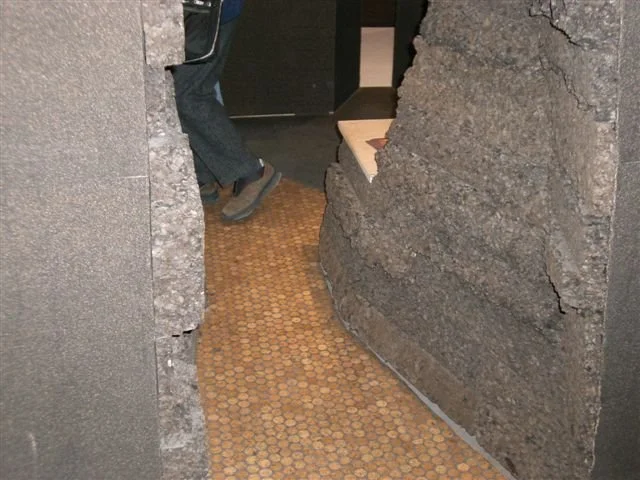
Using dark insulation cork on walls can transform a plain wall into a cave or a rocky space.
Cork for Special Effects: Flying debris, floating dust
Storms, swirling debris, and shrapnel flying everywhere. A lot of what looks dangerous on screen is carefully staged, and lightweight cork can be useful for creating some of those effects.
Lightweight debris. Granulated cork and small cork chunks can be blown by wind machines or tossed into the air to stand in for splintered wood, rubble, or stone. They look chaotic on camera, but are much gentler on the actors and crew than real debris.
Explosions and impacts. Cork pieces can be packed into breakaway props or special-effects rigs, so they scatter when something "shatters". This gives a violent look without the danger.
Ash and dust. Finely ground cork, tinted gray or black, can be used to simulate ash, soot, or a haunted house’s long-settled dust.
Easy cleanup. Cork is lightweight and pretty easy to sweep up, which helps when a scene needs to be reset for another take.
A note on safety: Any flying material used on a film set needs to be carefully selected and controlled, even lightweight material like cork.
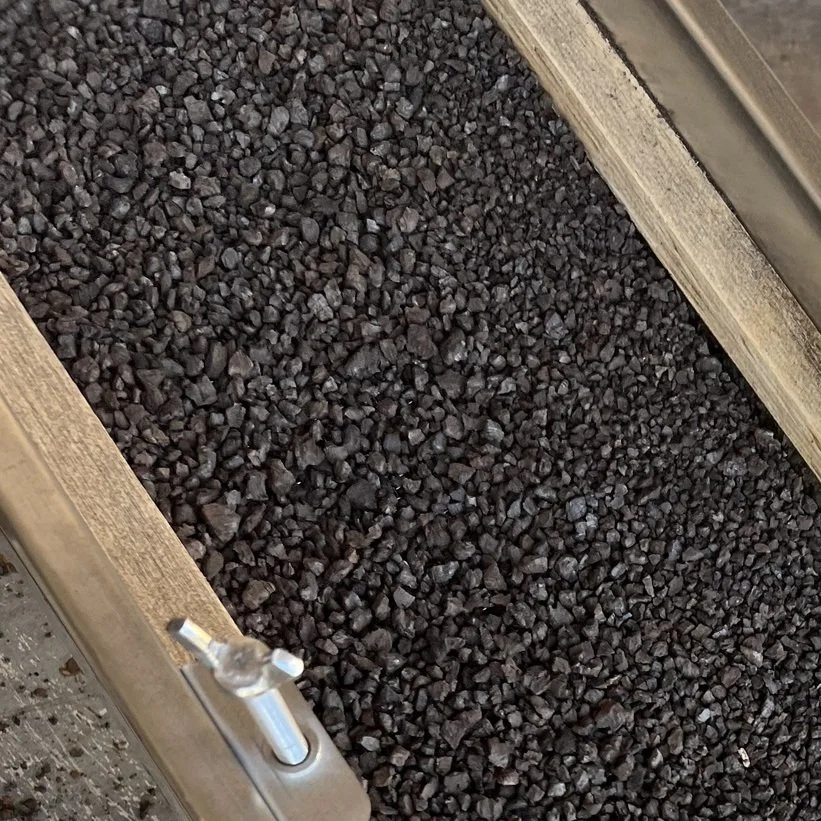
Dark granulated cork resembles pebbles or chunks of dirt. Though only in appearance, granulated cork is lightweight and cushiony
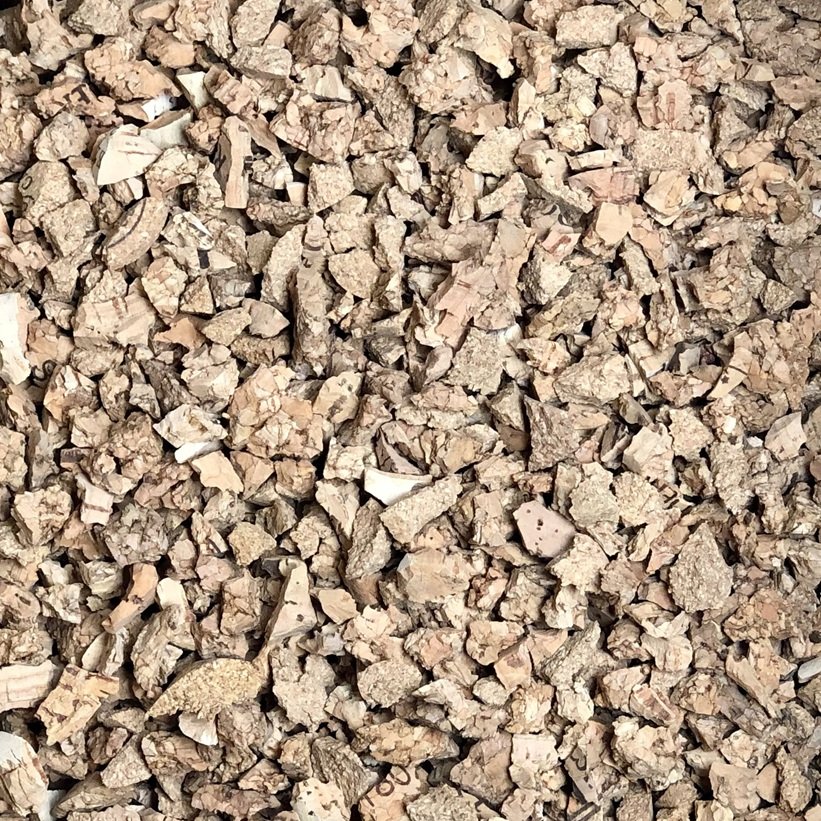
Chunks of used wine corks have been ground up into pieces. These chunks of cork can be “blown up” to simulate flying debris.
Cork for Sound Design
Foley artists make sound by hand and perform noises in sync with the picture. Movies often need sound added to them after the filming, and horror relies heavily on sound to build tension. Though synthesizers are often used, a simple piece of cork can produce some surprisingly unsettling noises. A classic trick is rubbing cork against glass. This creates a high, squeaky, animal-like noise, such as a creature's whimper or a door creaking in an empty house.
Other ways cork can add sound effects include:
Turning a cork slowly in a bottle gives a rubbery, groaning squeak - maybe a creaking door, straining rope, or the old hinges of a gate.
Pulling a cork from a bottle could sound like something breaking free or a snap or pop.
Tapping or dropping corks creates a soft, hollow knock. It could be the sound of something creeping through the walls or moving through a dark room.
Why Cork Works So Well for Horror
Cork has several natural qualities that make it useful for creating the atmosphere of a horror film:
The natural bark looks old. Its mottled, weathered texture suggests age, decay, and abandoned places.
It's lightweight. Cork is easy to carry, set up and move around on a busy set.
It's flexible in how it is used. It can be carved, painted, scattered, exploded, and squeaked.
It's sustainable. Cork is harvested from the bark of the cork oak tree without harming or cutting down the tree. The bark grows back each time it's harvested. This is a nice fit for productions trying to reduce waste.
Fog, flickering lights, and creepy sound effects may get the credit, but the next time you watch a horror movie, see if you can spot the cork.
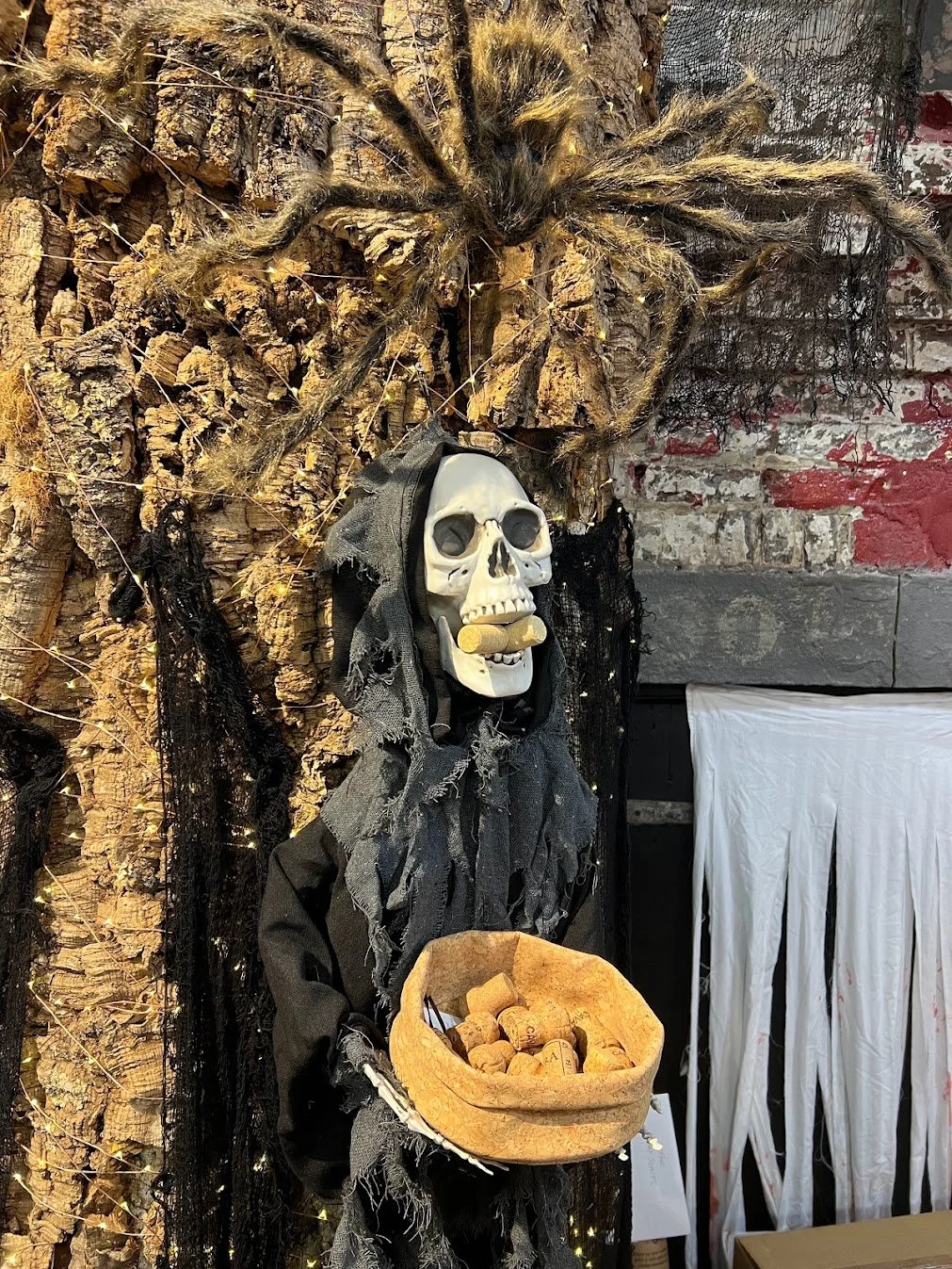
The rugged texture of natural cork bark adds dimension to create a scary scene.