
Cork underlayment is a natural acoustic and insulating layer installed between the structural subfloor and finished flooring to reduce noise, improve comfort, and enhance flooring performance.
Key Benefits:
Reduces impact noise and sound transmission
Improves walking and standing comfort
Provides thermal insulation
Maintains performance long-term
Supports sustainable building practices
Cork underlayment is available in thicknesses typically ranging from 2 mm to 25 mm, with thicker materials providing greater sound reduction. Acoustic performance varies based on floor assembly, but cork is widely used to help meet multi-family building sound control requirements.
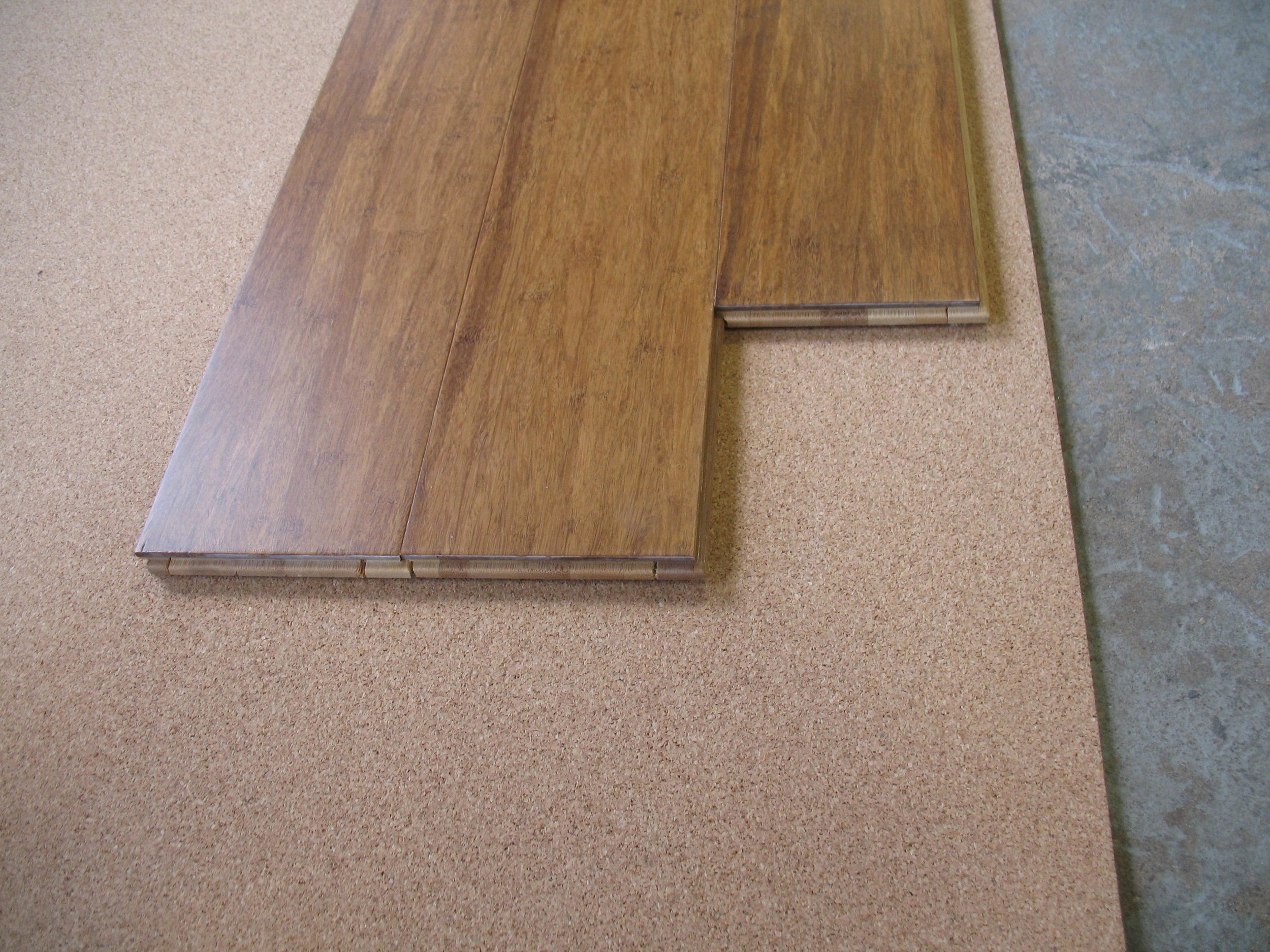
Installing hardwood flooring over QuietCork™ underlayment increases the acoustic and thermal insulating properties of the floor system
Quiet and Comfort Start Below the Surface: Why Cork Underlayment Matters
When planning a new floor, most people focus on what they’ll see - hardwood, luxury vinyl, laminate, or tile. But what’s underneath plays a major role in how the floor performs every day.
In most cases, cork underlayment is installed between the subfloor and the finished flooring, and while it remains hidden, its impact is immediately noticeable. It helps reduce noise, improves comfort underfoot, and adds natural insulation, all while supporting a healthier indoor environment.
At Jelinek Cork Group, we’ve worked with cork for generations, and we continue to see how this material enhances flooring systems in homes, multi-family buildings, and commercial spaces. Cork underlayment is used worldwide to improve acoustic performance, enhance walking comfort, and help floors maintain consistent performance over time. It is especially valued in condominiums, apartments, offices, and renovations where sound control between floors is important.
What Makes Cork Unique
Cork’s performance comes from its natural cellular structure - millions of microscopic air-filled cells that act like tiny cushions. This structure allows cork to absorb vibration, reduce sound transmission, and maintain resilience over many years.
Unlike synthetic foams that can flatten or degrade, quality cork retains its properties over time, helping floors feel stable and comfortable long after installation.
A Quieter Living Environment
One of the most noticeable benefits of cork underlayment is sound reduction. Everyday activities such as footsteps, moving furniture, dropped objects, voices and movement create vibrations that travel through floors. Cork helps absorb these vibrations before they transfer to adjacent rooms.
Cork underlayment can help improve Impact Insulation Class (IIC) and Sound Transmission Class (STC) ratings, which are standardized measures used in multi-family construction to evaluate sound control between floors.
This makes cork especially useful in multi-story homes, condos and apartments, renovations over concrete slabs, and open floor plans with hard surfaces. Many homeowners and building occupants notice a quieter, more solid-feeling floor immediately after installation.
Comfort Underfoot
Floors installed over cork feel slightly more comfortable and warmer. Cork slows heat transfer, reducing the cold feel often associated with concrete or tile substrates. The subtle cushioning can also make long periods of standing more forgiving.
Cork works well with radiant heating systems when specified correctly.
Natural Moisture Resistance
Cork contains suberin, a natural waxy substance that helps repel moisture and resist mold and mildew. While cork performs well in environments with normal humidity fluctuations, it is not a vapor barrier. Proper moisture testing and vapor control measures should always follow flooring manufacturer recommendations.
A Sustainable Choice
Cork is harvested from the bark of cork oak trees without cutting them down. The bark regenerates, allowing the same tree to be harvested repeatedly for decades.
Using cork supports renewable forestry and provides a long-lasting alternative to petroleum-based underlayments.
Compatible With Many Flooring Systems
Cork underlayment is commonly used beneath laminate flooring, engineered hardwood, luxury vinyl plank (LVP/LVT), ceramic, porcelain, cork, and bamboo flooring. Selecting the right thickness depends on project requirements and manufacturer guidelines.
Why QuietCork™ From Jelinek Cork
QuietCork™ underlayment is manufactured from high-quality cork and engineered to deliver consistent acoustic performance, long-term durability, and reliable installation across a wide range of flooring systems. QuietCork™ is available in multiple thicknesses to meet different acoustic and structural requirements. It is suitable for use beneath floating and glue-down systems, and some nail-down flooring systems when installed according to manufacturer guidelines. QuietCork™ provides long-term acoustic stability because cork maintains its structure without permanently compressing, unlike many foam alternatives.
Learn more:
QuietCork™
Store Listings:
USA
Canada
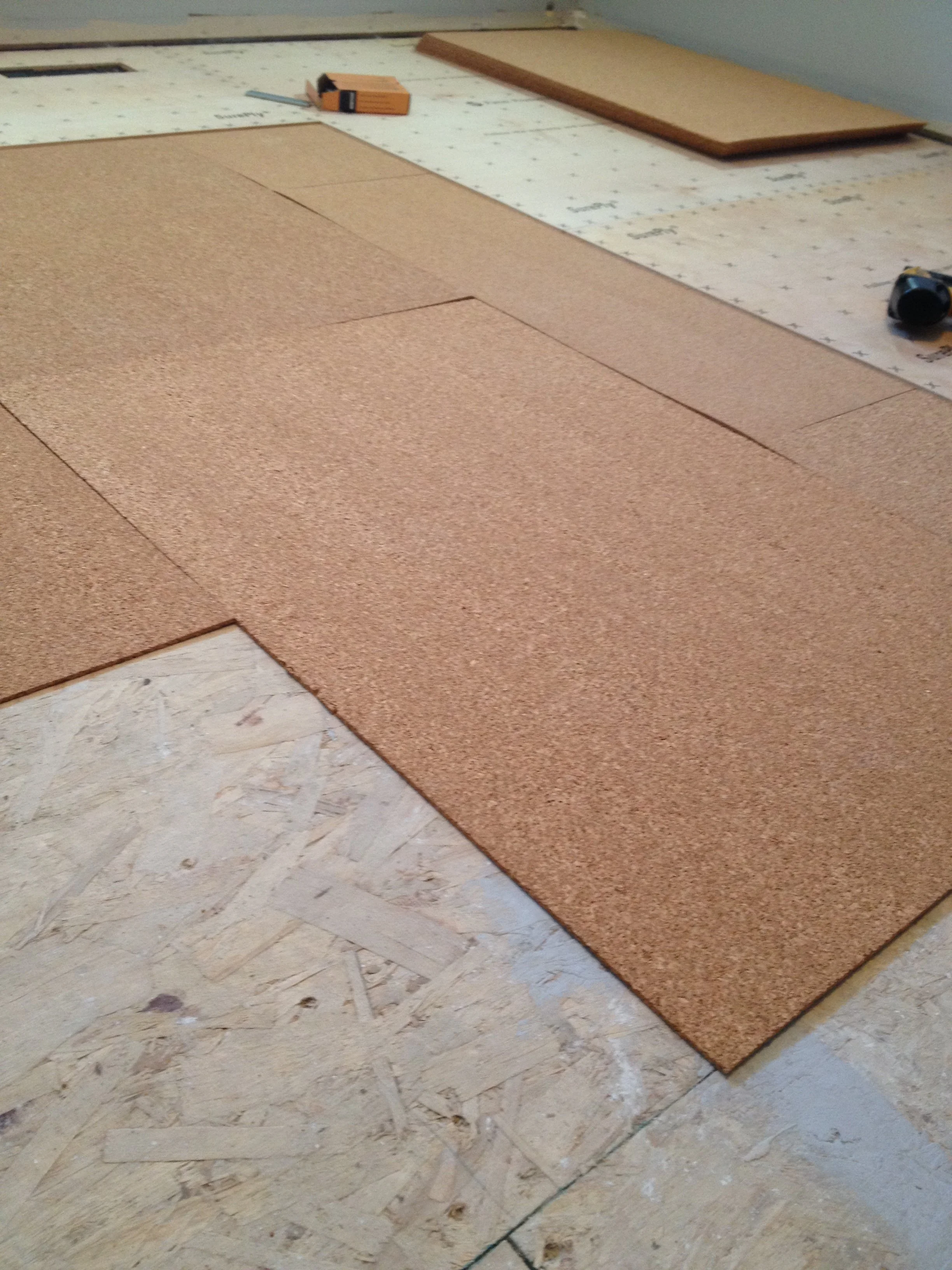
QuietCork™ underlayment installed over the subfloor, creating a stable, sound-absorbing foundation for the finished flooring.
Frequently Asked Questions About Cork Underlayment
What is cork underlayment?
Cork underlayment is a natural layer installed between the subfloor and finished flooring that reduces noise, improves comfort, and adds insulation.
Does cork underlayment reduce noise?
Yes. Cork absorbs impact sound and vibration, helping reduce footstep noise and sound transfer between floors.
Is cork underlayment environmentally friendly?
Yes. Cork is renewable and harvested without cutting down trees, making it a sustainable building material.
Where is cork underlayment typically used?
It is commonly used in homes, condos, apartments, and commercial spaces where sound control and comfort are important.
Which flooring types work with cork underlayment?
Cork works with laminate, hardwood, engineered wood, luxury vinyl plank, bamboo, cork and other floating floors as well as ceramic and porcelain tiles.
What thickness of cork underlayment is best?
The best thickness depends on the flooring system and acoustic requirements. Common thicknesses range from 3 mm to 12 mm for most residential floating floors, while thicker cork underlayments may be used in multi-family or commercial applications to improve sound reduction.
How long does cork underlayment last?
High-quality cork underlayment that is correctly installed can last the lifetime of the floor. Cork retains its structure and acoustic performance for decades without flattening or degrading under normal use.
Why choose cork underlayment rather than foam underlayment?
Cork underlayment offers superior long-term performance because it maintains its structure and acoustic properties without permanently compressing. Foam underlayments can flatten over time, reducing their effectiveness. Cork also provides natural thermal insulation and is a renewable material.
Where can I buy QuietCork™ underlayment?
QuietCork™ cork underlayment in both sheets and rolls can be purchased directly from Jelinek Cork Group.
Corkstore USA
Corkstore Canada
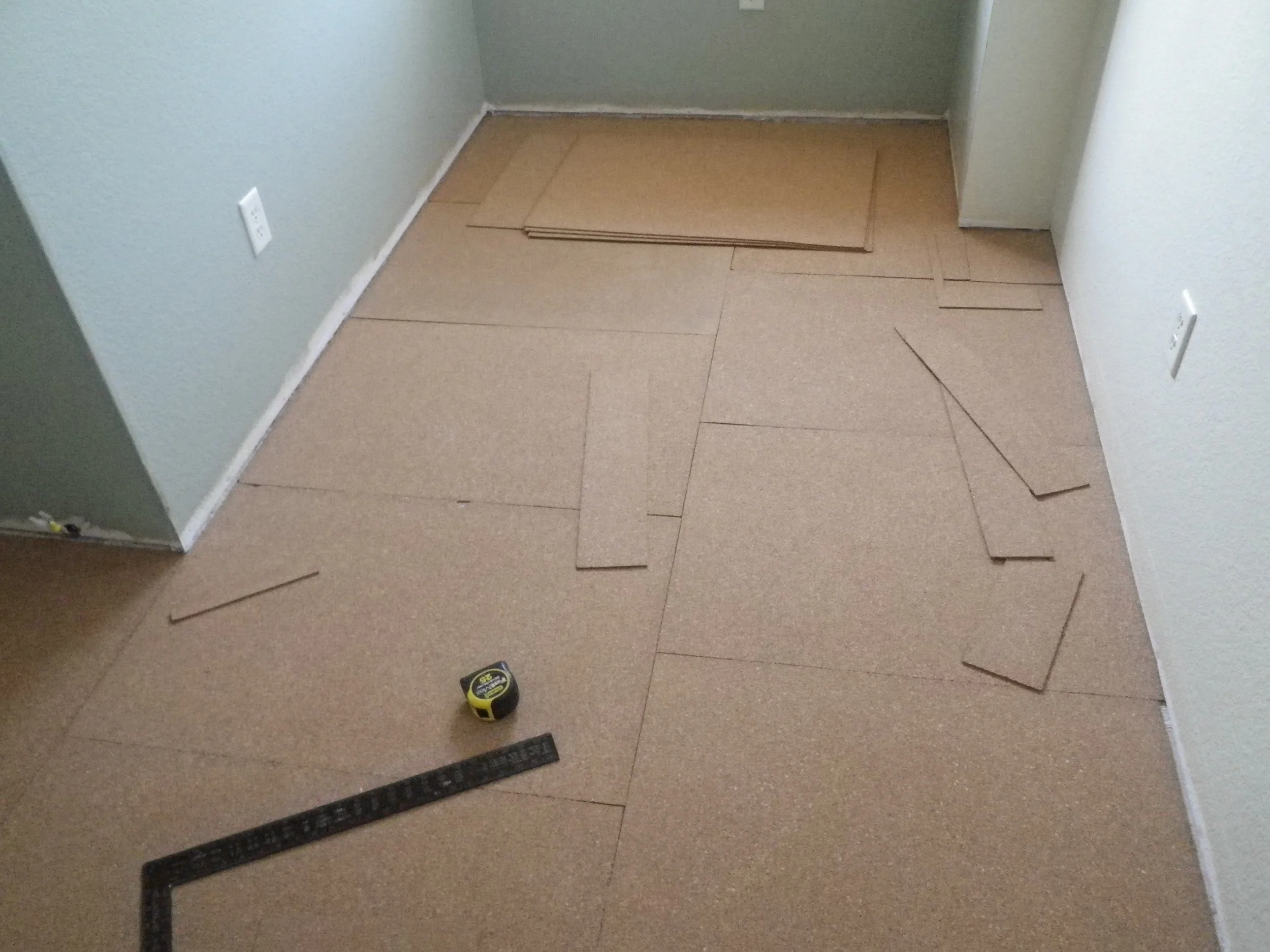
QuietCork™ cork underlayment installed over the subfloor to improve sound insulation, comfort, and long-term flooring performance.
Jelinek Cork Group has been a trusted cork supplier since 1855, providing premium cork flooring, wall tiles, underlayment, stoppers, and other specialty cork products to businesses across North America and the world. Learn more at www.jelinek.com or shop our complete collection at www.corkstore.com or www.corkstore.ca.
For inquiries, contact us at cork@jelinek.com